
Description
Topics:
Pain: Real and Present
• The Prevalence & Causes at End of Life
• Classification & Assessment; Barriers to Effective Pain Control
Management of Pain
• Principles, including the WHO ladder
• Use of opioids: How to choose, Effectiveness, Dosing & Adverse Effects
• How to Deal with Breakthrough Pain
• Administration Routes Considerations
• Non-pharmaceutical & Non-opioid Adjuvants
The Concept of Total Pain
• The Social and Emotional Context of Pain
• The Four Domains of Suffering
• How should we respond to suffering?
Having Difficult Conversations
• Assessing Readiness & What Not to Say
• Understanding Legacy; Dealing with Emotions
• The Patient Dignity Question & Dignity Therapy
Medical Assistance in Dying (MAiD)
• Why do People ask for MAiD & How to respond
• The history of MAiD – What it is & is not
• The C7 amendment: our Current Law; Exclusion & Sunset Clauses
• Procedural Safeguards for Track 1 & Track 2 Patients
• MAiD statistics in Canada
Case Studies; Q and A
Description:
Our health care approaches to the end of life need to be both clear-eyed and compassionate. The goal and is to help patients achieve the best possible quality of life right up until the end of life. the question is, how do we achieve that? In this workshop, several timely issues will be discussed: approaches to suffering and the pain experience of patients; the concept of “total pain” and approaches to its treatment; best use of analgesics, opioids and adjuvents; addressing physical, psychological, social, emotional and spiritual concerns of patients; the concept of “dignity”; why patients may request medical assistance in dying (MAiD) and how to respond; and finally, to review what you need to know about the Canadian laws around medical assistance in dying. We hope you’ll join us. Valerie is one of the most gifted speakers on this topic in Canada today.
Who Should Attend?
• Physicians, Palliative Care Nurses, Oncology Nurses, Hospice Nurses,
Home Care Nurses, Primary Care Nurses, End of Life Doulas
• Nurse Practitioners, Medical Surgical Nurses, Geriatric Nurses, Transition Coordinators
• Pharmacists, Medical Social Workers, Tele-Health Nurses, Chaplins
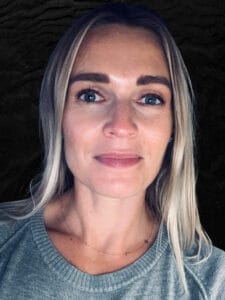
Valerie Cooper, MN, NP-Adult, CHPCN[C]
Valerie Cooper is a Hospice Palliative Care Nurse Practitioner with Home and Community Care Support Services South East Ontario. She sees patients in their homes in a variety of geographies, from urban to remote. She works in a shared-care model with patients’ existing primary care providers to support patients with malignancies and end-stage organ diseases to die in their preferred place of death.
She lectures in the undergraduate program at Queen’s School of Nursing and has developed and taught an elective undergraduate course on hospice palliative care nursing. She has also contributed to a continuing education course for nurse practitioners on palliative care through the University of Toronto. Valerie is a member of the Dying with Dignity Canada’s Clinician Advisory Council, as well as many Communities of Practice related to both Palliative and End-of-Life Care and Medical Assistance in Dying.