
Description
Objectives for Part A: Psychological Safety in the Workplace
• Define psychological safety and distinguish it from trust, civility, and the absence of conflict.
• Recognize the impact of psychological safety on patient safety, teamwork, learning, staff well-being, and quality of care.
• Identify common workplace behaviours and conditions that strengthen or undermine psychological safety within healthcare teams.
• Understand practical communication strategies that encourage speaking up, asking questions, admitting mistakes, and providing respectful feedback during everyday clinical work.
Objectives for Part B: The 5 Dysfunctions of a Team
• Describe Patrick Lencioni’s Five Dysfunctions of a Team and explain how each affects team effectiveness in healthcare settings. This involves understanding the role of psychological safety and trust and how they serve as the foundation for constructive conflict, commitment, accountability, and results.
• Appreciate the health of their own team by recognizing behaviours and warning signs associated with each dysfunction.
• Leave with evidence-based strategies to help address common team dysfunctions and improve collaboration across professions and disciplines.
Description:
In high-stakes clinical environments, seamless teamwork isn’t just a cultural nice-to-have—it is directly tied to patient safety, quality of care, and staff well-being. We invite you to join us for an impactful, two-part interactive webinar series designed specifically for healthcare leaders seeking to cultivate resilient, high-performing teams.
In Part A: Psychological Safety in the Workplace, we will define what true psychological safety looks like in everyday clinical work—distinguishing it from mere civility—and equip you with practical communication strategies that encourage staff to speak up, ask questions, and report errors without fear. Building on this foundation, Part B: The 5 Dysfunctions of a Team applies Patrick Lencioni’s renowned framework directly to the healthcare setting, showing how trust and constructive conflict drive accountability, cross-disciplinary collaboration, and clinical results.
Whether you are navigating inter-professional team friction or aiming to strengthen an already solid unit, this series offers evidence-based tools and actionable diagnostic insights you can implement immediately within your department. You’ll leave empowered to spot the warning signs of team breakdown early and foster a workplace culture where learning, trust, and exceptional care thrive side-by-side. Take the next step in elevating your team’s collective potential.
Who Should Attend?
• Nurse & Allied Healthcare Managers in all settings.
• First Line, Unit and Middle Managers in Healthcare settings.
• Educators, Preceptors, Supervisors, Coordinators
• Team Leaders & Shift Charge Personnel as appropriate on specific units.
• Nurses and Allied Health personnel who are interested in management positions
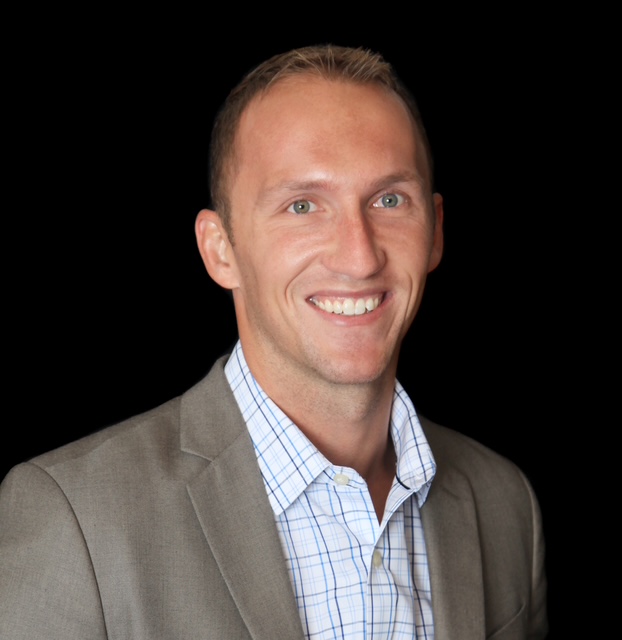 Thomas O’Neill, Ph.D
Dr. O’Neill is Professor and Head of Industrial and Organizational Psychology at the University of Calgary. He is a global research and practice leader in the areas of high-performance teamwork, executive leadership teams, remote and hybrid work, conflict management, collaborative AI, and human assessment. He has worked on the people part of healthcare and safety initiatives in various capacities for 20 years. Dr. O’Neill led the creation of www.ITPmetrics.com, which is the leading evidence-based Canadian teamwork assessment, development, and feedback software platform. More than 1 million assessments have been taken. In 2023 Tom edited a book with co-authors called The Handbook of Virtual Work (2023).