

Description
Objectives:
By the end of this session, participants will be able to:
1. Describe the core principles of trauma‑ and violence‑informed care when supporting a patient who has experienced sexual assault.
2. Outline the nursing role in initial assessment and safety planning, documentation, and patient support, using real case examples to illustrate best practices and common challenges
3. Identify key components of patient support and communication, such as consent‑based care, choice, and preserving patient control.
4. Recognize when to involve additional services, including medical providers, forensic teams, advocacy supports, and crisis resources.
5. Outline key legal responsibilities and protections, including consent, reporting requirements, and recent Canadian case law that shapes clinical practice.
Description:
When a patient discloses a sexual assault, the clinician’s response in those first critical hours shapes both their immediate safety and their long-term healing. Designed specifically for front-line professionals, this webinar provides a comprehensive road map for delivering compassionate, trauma- and violence-informed care during acute disclosures. Through real-world case examples, we will deconstruct the essential roles in initial assessment, safety planning, and meticulous clinical documentation, while emphasizing communication strategies that preserve patient control and centre on consent-based care.
Beyond immediate bedside support, navigating these complex situations requires a clear understanding of the broader healthcare and legal landscape. This session will help you confidently identify when and how to mobilize critical multidisciplinary allies—including forensic teams, medical providers, and crisis advocacy resources. Finally, we will examine key legal responsibilities, clarify reporting mandates, and review recent Canadian case law directly impacting clinical nursing practice.
Equip yourself with the practical skills, legal clarity, and trauma-informed tools necessary to support survivors with excellence and confidence.
Who Should Attend?:
• Nurses, NPs, MDs, PAs, EMTs, RSW’s in Primary Care & ER settings
• Women’s and Sexual Health Nurses
• New Forensic and Sexual Assault Examiner Nurses
• Psychiatrists, Psychologists & in selected settings
• Nurses in Behavioural and Mental Health Settings
• Nurse and Allied Health professional in any setting where IPV is of heightened concern
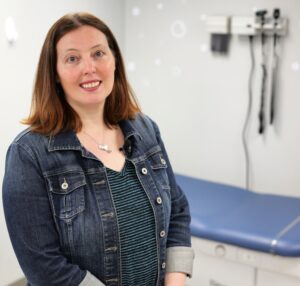 Hannah Varto MN, NP, SANE-A
Nurse Practitioner Hannah Varto brings a bold mix of expertise, curiosity, and spirit to the world of forensic medicine and sexual reproductive health care. She launched her career as a forensic nurse examiner and went on to become British Columbia’s first NP dedicated to forensic practice—a milestone that set the tone for everything that followed.
In 2015, Hannah spearheaded the creation of Embrace Clinic, Canada’s first outpatient clinic for people who’ve recently experienced violence. Never one to slow down, she went on to establish a specialized Strangulation Clinic.
Hannah is keenly involved in research, including a national study exploring blood-based diagnostics for violence‑related brain injuries. She also teaches with BCIT’s Forensic Health Sciences program, sharing her passion for evidence‑informed, survivor‑centred care with the next generation of practitioners. When she’s not teaching or innovating, she provides expert private medical‑legal consulting—bringing clarity, precision, and a steady hand to complex cases.